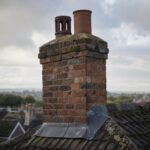
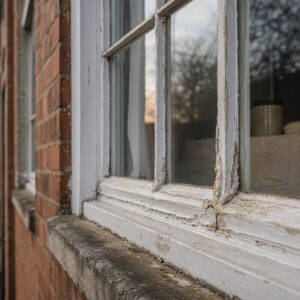
A small, blue-flowered plant has been keeping British homes standing since long before anyone called it maintenance, and its legacy is on your window frames right now – possibly crumbling, possibly doing its job so well you've never thought about it once. This plant is flax, *Linum usitatissimum* if you want to be precise. The oil pressed from the seeds of this plant is the reason that timber windows, painted wooden doors and filled cracks stay watertight at all.
Linseed oil (which is just what flax seed oil gets called once it leaves the farm) is the binding agent in traditional putty, in oil-based paint, in wood filler and in plenty of the caulks still on the shelves at your local builders' merchant. Interestingly, linseed oil does not dry. Not really.
What the Plant Is Actually Doing to Your Window Frame
Water in a puddle evaporates. Linseed oil “drying” is completely different. The fatty acids from the oil react with oxygen in the air. The fatty acids link together into long polymer chains in this autoxidation process, which slowly turns the oil into a solid. It’s the same process a flax plant goes through to protect its seeds. Nobody invented it. They just noticed it happening and started to smear the oil on things.
Once that polymerisation has started, it never really stops. It just slows down. Old putty on a Victorian sash window is not dead, it’s just cross-linking and hardening just as the plant told it to do. After forty or fifty years the putty will have done as much as it’s going to and the polymer chains will have reached their limit. Then, the material becomes brittle. The first decent frost or driving rain finds all the tiny cracks and works in. It looks like a maintenance problem. But it’s a plant running out of chemistry.
Why Painted Timber Rots Where It Does
There is more to the story of linseed-oil than just being interesting. Oil-based paint is, at its core, a linseed product as well. The pigment is suspended in the polymerising oil of the paint, and the same slow chemical trick is happening in the paint film on the timber. While it works, it's remarkably good: it stays slightly flexible. It moves with the wood as it swells in damp and shrinks in sun, and it bonds to the timber well, not sitting as a skin on the surface.
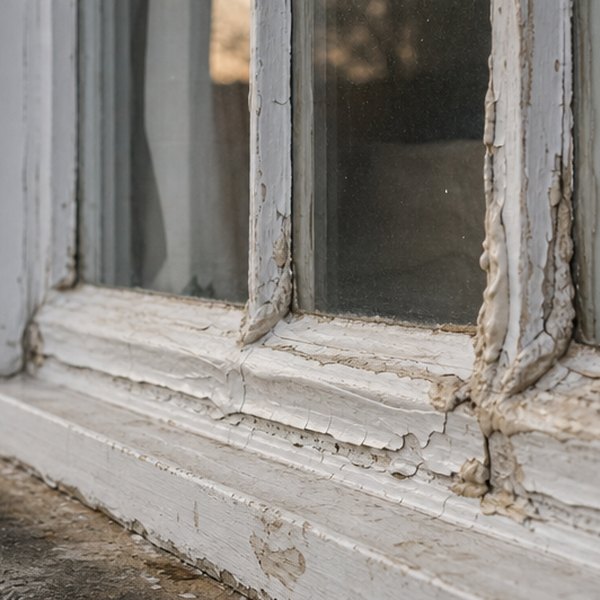
When it fails, it fails for the same reasons as the putty. The oil in the paint has polymerised as far as it can and the film becomes rigid. As the wood beneath it flexes, the paint can't follow and so it cracks. Water gets in behind it and the timber begins to rot from the inside. This is why window cills tend to fail at the corners and end grain first. These are the points where the paint film is thinnest, where rainwater sits longest, and where the linseed chemistry gave out earliest.
This changes how you read a painted timber surface. A surface that has a slightly chalky or powdery finish is the linseed oil telling you its work is nearly done. A hairline crack in the paint film that extends along the glazing bead is the wood and the paint film disagreeing about how much to flex. Neither needs a builder yet. Both need attention before winter — in practice, a light sand, a coat of raw linseed oil rubbed into the surface and left to soak, and a fresh top coat. The linseed does the same thing it always did: soaks into the grain, polymerises and buys the timber another decade.
For more on reading a room's hidden wear-and-tear signals, The Room That Had To Do Everything (And Then Forgot How) at Perky Pad: https://perkypad.co.uk/interior-design/the-room-that-had-to-do-everything-and-then-forgot-how/
The Putty Question (And When to Worry)
Traditional linseed putty is easy to diagnose. Press on it with your thumbnail. If it gives slightly then it’s fine. If it’s hard as a rock and has a few fine cracks in it but is otherwise intact, then it’s old, but it’s still doing its job – leave it. If it has shrunk away from the glass and/or the rebate, and there are visible gaps, then the polymerisation is finally losing its grip on the wood. That gap is a direct route for water into your frame.
You can repoint it yourself. Scrape out the loose stuff, wipe the rebate with some raw linseed oil and leave it to soak in for a day. This matters – putty applied to dry, thirsty timber will have its oil sucked out before it can set properly. Apply fresh linseed putty with a putty knife or your thumb and smooth off at 45 degrees so rain runs away from the glass. Leave it to form a skin for a fortnight and then paint over. The flax plant takes it from there.
Questions this raises
- How long does linseed oil putty take to harden?
- Why does old window putty crack and fall out?
- Can you paint over linseed putty before it has cured?
- Is linseed putty still the right choice for modern timber windows?