
There is a particular kind of British homeowner who walks past the same patch of damp on his ceiling for three years. He knows it's there. He sometimes points it out to guests, almost proudly, the way you might show someone a scar. He will get to it. Probably in spring. Maybe after the next one.
This is not laziness, or not just laziness. It is, in a roundabout way, the fault of Margaret Thatcher.
Before 1980, Maintenance Wasn't Your Problem
Cast your mind back to the Britain of 1979. The majority of people in this country did not own their homes. They rented them from private landlords, the councils or housing estates which had been managing the same stock of buildings for generations. If your roof leaked you knocked on someone's door. If your boiler gave up, someone else came and fixed it.
You lived inside the building; somebody else looked after the skin of it.
Practical knowledge is passed on in a similar way to accent. You can learn it from watching, from helping, from being handed a spanner at twelve and shown how to use it. If no one in your household has ever bled a radiator, tracked down a blocked gutter or recognised the signs of pointing beginning to crumble, then you won’t have learned how to do those things. There’s been no need for you to have learned them. It’s not the distant past. It’s within living memory for a large slice of the population.
What the Right to Buy Actually Transferred
The 1980 Housing Act changed the deal overnight. Margaret Thatcher’s Right to Buy scheme gave council tenants the legal right to purchase their homes, often at substantial discounts. Millions of people took it up. In England alone over a million council homes were sold from 1980 to 1987.
This was politically enormous. It also meant that a very large number of people, many of whom had never owned property in their lives, suddenly found themselves responsible for gutters, flat roofs, ageing boilers, subsidence, damp courses, and the thousand other things that a building quietly accumulates over decades and expects someone to deal with. No one handed them a manual. The legislation transferred the title deeds; the knowledge didn’t come with it.
The Anxiety That's Been Living in the Airing Cupboard
There’s a particular sort of homeowner that has emerged. They’re competent in most areas of their life but when it comes to their house, they’re clueless. Not because they’re dumb but because they have no benchmark. Their parents didn’t own. Their grandparents rented from the estate. So there’s no one at their kitchen table to say, “you want to check those lead flashings before winter,” because no one in their family had ever needed to know that.
This is worth sitting with for a moment. Much of the national conversation around maintenance frames it in terms of character: the person who ignores their boiler service, who allows small repairs to drift into large ones, is figured as simply not caring. But not caring and never learning to notice are very different things entirely.
For ideas on making the most of your living space, 5 Living Room Ideas that Put Bifold Doors Front and Centre is worth a browse.
What Three Generations On Looks Like
It’s now far enough from 1980 that the children of Right to Buy homeowners have grown up in owned homes. But did any actual maintenance knowledge get passed down? That depends almost entirely on how anxious or confident their parents were. And the evidence, broadly speaking, is mixed.
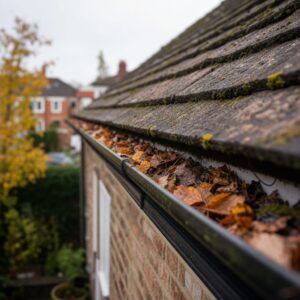
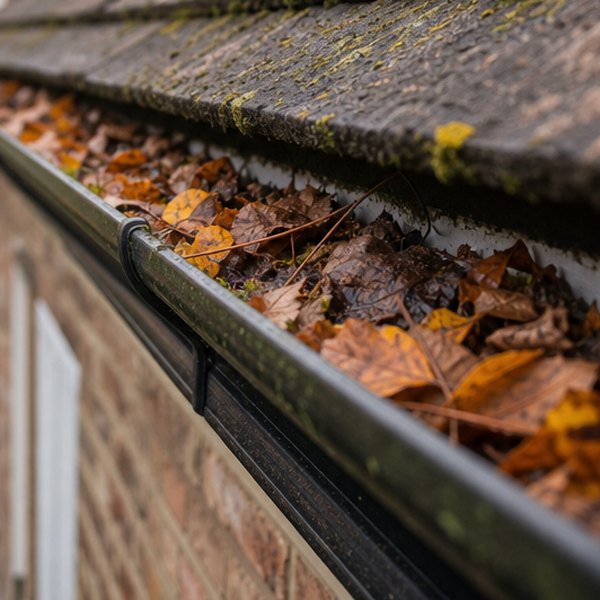
A generation of homeowners who didn't quite know what they were doing raised the next one in the same fog. The result is a country where a surprising number of people treat their homes the way they treat their bodies. They ignore small signals until something dramatic happens, then throw money at it in a panic. A boiler serviced annually costs a fraction of an emergency replacement. Gutters cleared twice a year head off the kind of damp that works its way into walls over winters and becomes a far worse conversation.
This knowledge has never been difficult to learn. It required someone to show you how to do it in the first place. For a country that in less than a decade shifted millions of people from renting to owning, that someone never quite materialised. The bill was passed but the knowledge didn't.
Questions this raises
- Who was responsible for house repairs before Right to Buy?
- Why do homeowners put off fixing damp for years?
- Does ignoring a leaking gutter really cost more later?
- How much does replacing a run of guttering cost?