
There is a first-time buyer walking into a property survey somewhere. He has a very specific list of questions. He wants to know if there is any damp behind the wardrobes. He wants to know about the service history of the boiler. He wants to check the exterior in the rain before he knocks on the door. He’s never had family members who have owned houses before. He’s read all of it in a guide.
On the other hand, there is someone who already knows about all of this. They got it from their parents, their grandparents even. There was no need to write this down.
This is not a story about property. It's a story about who knowledge belongs to, and how it travels.
Before the Checklist, There Was the Family
The knowledge of how to buy well was generally passed down within families who had always owned their own homes. Most working-class families have not owned homes throughout British history. The knowledge on how to read a survey, for example, and to spot problems before committing to a purchase of a property, as well as knowledge on never relying on a verbal agreement, was normally transmitted orally within these families. It didn’t need to be written down because it was passed on at the dinner table.
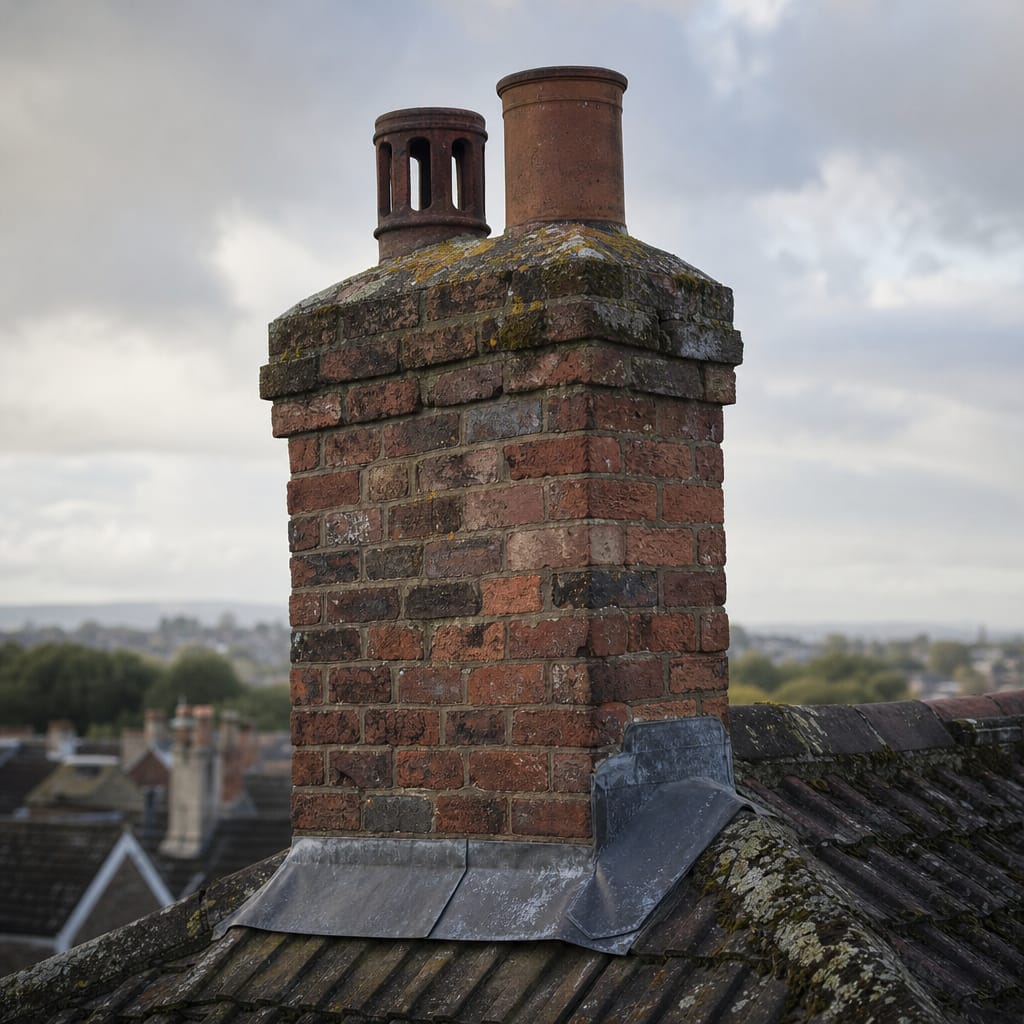
These families got their knowledge from the grandmother who had opinions about chimneys, from the uncle who had “a man” for the conveyancing, from the family solicitor who had acted for the estate since the 1930s and quietly knew which clause mattered. The knowledge was inherited, private and was entirely taken for granted by those who had it.
What Right to Buy Changed
1980: The Right to Buy – Thatcher’s policy gave council tenants the legal right to buy their state owned home, often at substantially discounted prices. The policy peaked when roughly 1.5m households had become first generation home owners, the largest single transfer of property from state to individual ownership in British history, all within a decade.
These were first generation buyers, who had no knowledge of what a structural survey actually did, and what it did not. They had no idea that the seller’s solicitor was not on their side, that in fact nothing was legally real until the contracts of both parties had been exchanged. This oral knowledge of property had not travelled down the generations. It had not been withheld. It had not needed to.
For more in this vein, visit What Five-Year-Olds Know About Buying Houses That You've Already Forgotten
The Written-Down Inheritance
A home buying guide, tips on the process and a checklist of things to look out for before you exchange all contain the same sort of retained knowledge from people who had seen many transactions go wrong. Knowledge that absent uncles and wise grandmothers could have provided but haven't. This knowledge is now available to anyone with a phone and 20 minutes to read it before viewing a property.
So now the retained knowledge of the property transactions of wealthy families can be read on the bus by anyone who needs it, instead of being passed around at dinner parties. Some of the basics date back to pre-war times. A verbal agreement is worthless. Get your own survey done. The agreed price is irrelevant until exchange of contracts. The rest of the knowledge is constantly updated: current laws on leasehold; methods of getting a mortgage; problems with properties from certain time periods.
The grandmother's chimney wisdom, incidentally, is largely still sound. The uncle's thoughts on interest rates in 1973 are not.
—
What's the actual difference between a homebuyer's report and a full structural survey?
The standard homebuyer’s report is a standardised document which describes the visible condition of a property on the day of the inspection. It is written in a standard format and would typically cover the aspects of the property that the surveyor has been able to see and gain access to. A full structural survey is a more detailed document that is written specifically for your property and describes the property’s fabric in greater detail than a homebuyer’s report. Typically the homebuyer’s report is less expensive (£400 to £600) than a full structural survey, and would be sufficient for a modern property in reasonable condition. However, older, unusual or worn properties are best surveyed with a full structural survey, which can cost anywhere from £600 to £1,500 or more.
Does "exchanging contracts" mean the sale is definitely happening?
When contracts are exchanged, both parties are bound by law: if you pull out of a sale, you lose your deposit (usually 10% of the purchase price), and if the seller pulls out, you can sue them for your losses. However, before exchange it is possible for a sale of property to collapse at the last minute and for neither party to be responsible under the laws of England and Wales. The position in Scotland is different in that the offer becomes a binding agreement by virtue of the offer system at an earlier stage than in England and Wales.
Can you use a survey to push the price down?
Yes, and that is one of the main practical uses of a survey. So for example if a survey reveals that the roof is likely to fail, that the current electrics are outdated, or there is evidence of past damp problems then these can be used as the basis of a negotiation with the seller to reduce the purchase price, for the seller to agree to put right a problem before completion, or indeed for the seller to refuse. Sellers are more willing to negotiate on these issues if they have had their house on the market for some length of time. This is not about confrontation – it is about using the information that you have gathered properly.
Is it worth getting a survey on a new-build?
No, most people don't and most people probably should have a snagging survey done on their new home. A snagging survey is different from a structural survey and looks for defects in new buildings. The cost of a snagging survey can vary but is generally in the region of £300 to £600. It will often reveal items such as poorly fitted windows, lack of insulation in some parts of the building, drainage problems and finishes not meeting the specification. Snagging items are usually sorted prior to the move-in date, but only if they are reported formally to the developer. A new-build property’s warranty will cover structural defects for a period of 10 years but there are some exclusions so it is always better to know what defects your new home has before discovering them later.
Why does it matter whose solicitor is handling what?
A solicitor’s duty is entirely to their own client. The seller’s solicitor is there to negotiate the best terms for the seller, and your solicitor is there to negotiate the best terms for you. They are not neutral; technically, solicitors are adversarial, and that is how the process is supposed to work. Cutting costs or purchasing very cheap online solicitor services that are inaccessible and slow to respond will usually bring real problems at the time when speed and clarity are most important. This is when something unexpected is found in the searches, or when trying to exchange quickly in a property chain before it collapses.
FAQ
What is the difference between a homebuyer’s report and a full structural survey?
A homebuyer’s report is a standardised summary of what the surveyor could see on the day, and it usually costs £400 to £600. It suits a modern property in reasonable condition. A full structural survey goes into much greater detail on the building’s fabric, suits older or worn properties, and costs £600 to £1,500 or more.
Does exchanging contracts mean the sale is definitely happening?
Yes, exchange is the point where both sides become legally bound. If you pull out afterwards, you lose your deposit, usually 10% of the purchase price, and if the seller pulls out, you can sue for your losses. Before exchange, a sale can collapse at the last minute with neither party responsible in England and Wales.
Is it worth getting a survey on a new-build?
A standard survey is not usually done, but a snagging survey is worth having. It looks for defects in new buildings, such as poorly fitted windows, missing insulation, drainage problems and finishes that miss the specification, and generally costs £300 to £600. Items are usually fixed before move-in, but only if reported formally to the developer.
Can you use a survey to negotiate the price down?
Yes, that is one of the main practical uses of a survey. Problems such as a roof likely to fail, outdated electrics or past damp can justify asking for a lower price, or for the seller to fix the issue before completion. Sellers tend to be more willing if the house has been on the market a while.